Wolverhampton & the Black Country
West of Birmingham, Wolverhampton and the boroughs around it — Dudley, Sandwell, Walsall — make up what's known as the Black Country, one of the birthplaces of the Industrial Revolution.
The name is generally traced back to the thick smoke and soot produced by the area's dense concentration of coal mines, ironworks and foundries during the 19th century, which was said to blacken the ground, buildings and even the daytime sky. The exact boundaries of "the Black Country" are still debated locally and don't map neatly onto any modern administrative area, but the shared identity around its industrial past is strong and still visible in the surviving factories, canal wharves and chain-making workshops dotted across the boroughs.
Industrial heritage today
The Black Country Living Museum, near Dudley, is a large open-air museum built from reconstructed and relocated historic buildings, giving a sense of what a Black Country industrial town looked and felt like. Wolverhampton itself has its own civic core around St Peter's Church and the city centre markets, and the wider area is threaded by a dense network of canals that once carried coal, iron and finished goods between the region's factories.
Where to Stay in Wolverhampton
-
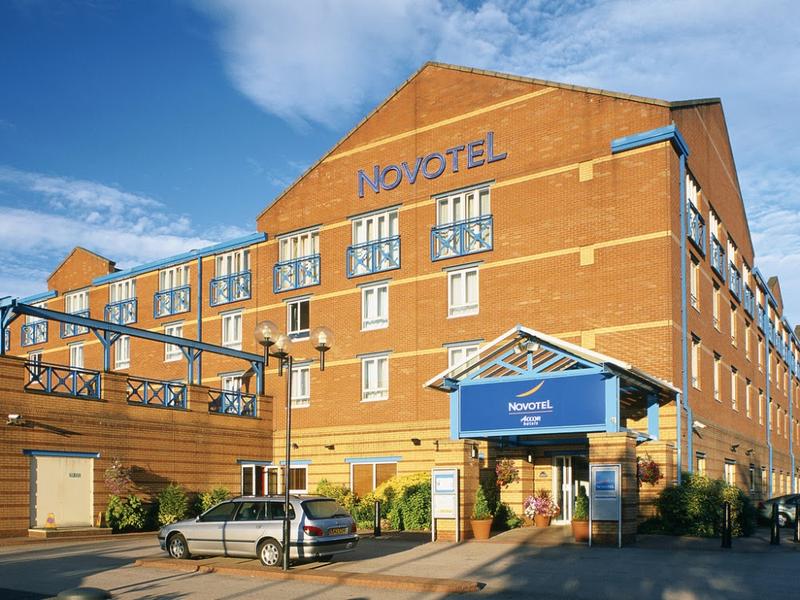 Novotel Wolverhampton — in the city centre, close to the Mander Centre and Civic Hall.
 -
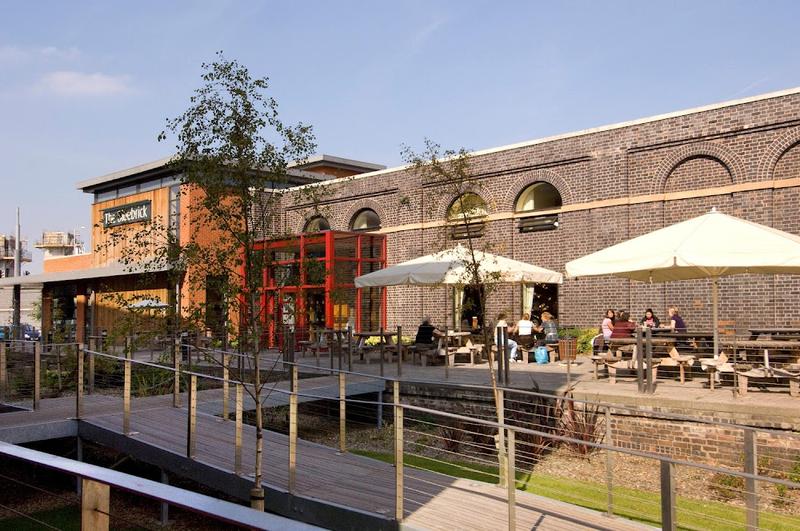 Premier Inn Wolverhampton City Centre — near the main transport hubs and the Grand Theatre.
 -
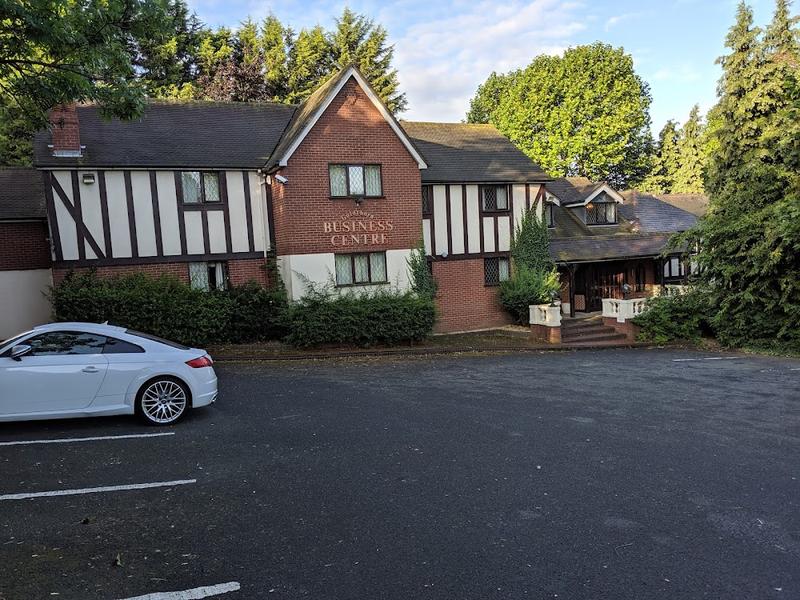 Mercure Wolverhampton Goldthorn Hotel — on Penn Road, a short drive from the centre.
 -
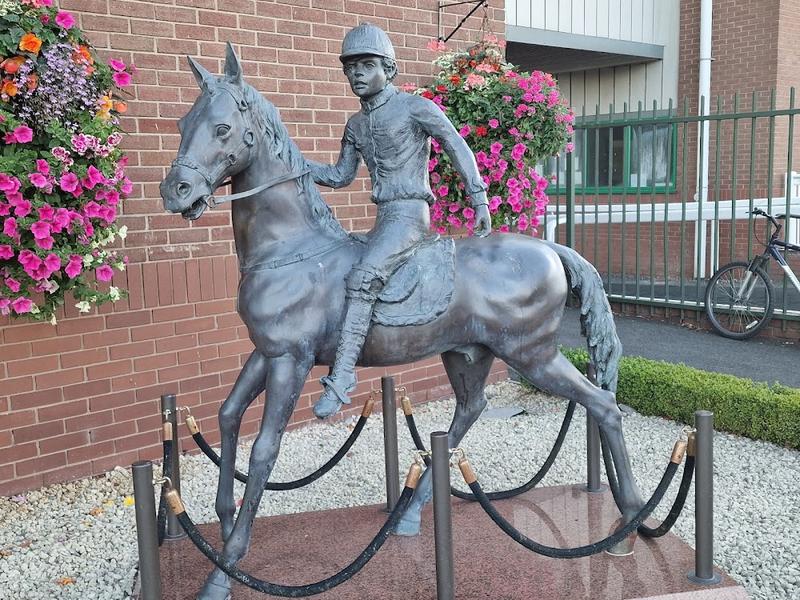 Holiday Inn Wolverhampton - Racecourse — beside Wolverhampton Racecourse, about a mile from the centre.
 -
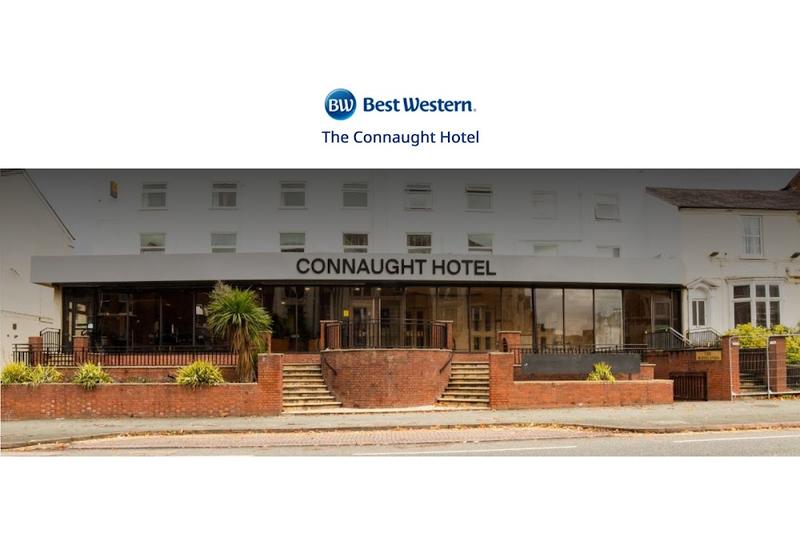 The Connaught Hotel Wolverhampton — a refurbished Georgian building on Tettenhall Road, near Molineux Stadium.
 -
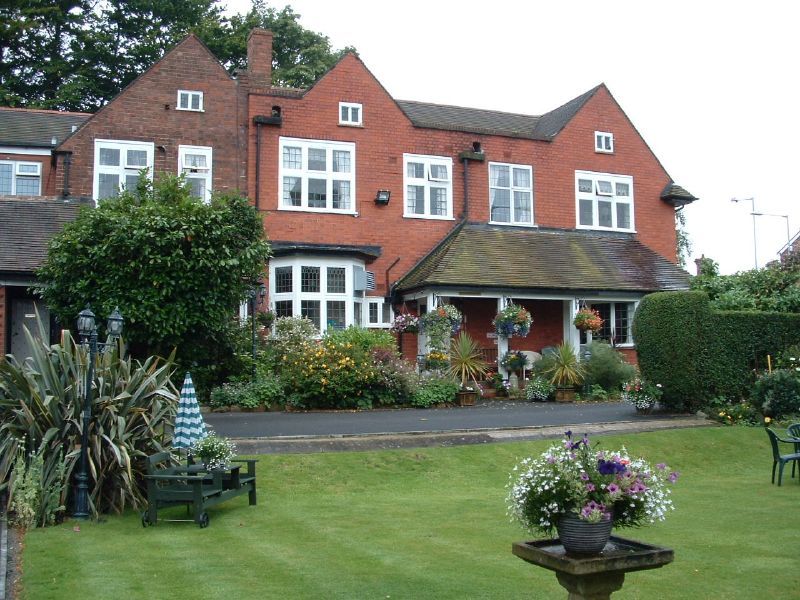 Barons Court Hotel — on Goldthorn Hill, with a spa and gym on site.
 -
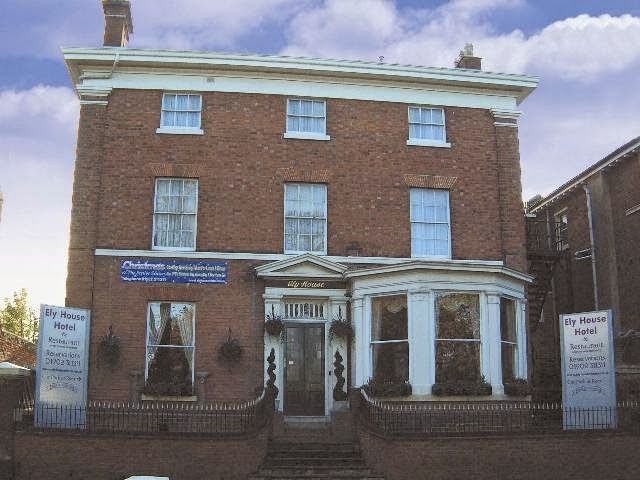 Ely House Hotel — on Tettenhall Road, close to Molineux Stadium.
 -
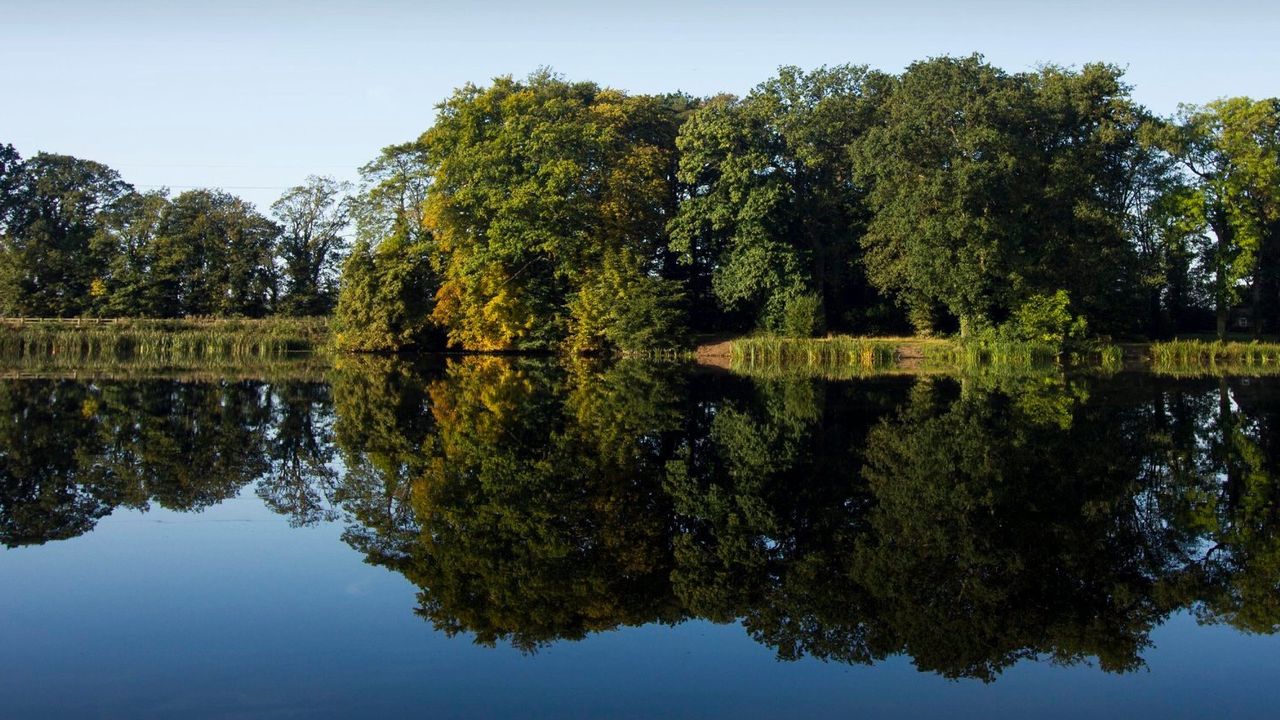 Patshull Park Hotel Golf And Country Club — a golf and country estate near Pattingham.
Getting around
Wolverhampton railway station has direct trains to Birmingham, London and the North West, and the West Midlands Metro tram line links Wolverhampton city centre through to Birmingham. The Black Country boroughs are well served by bus and local rail, though a car is often the easiest way to move between the more spread-out heritage sites.