Birmingham
Birmingham is England's second-largest city, built on manufacturing and trade rather than any single historic monument, and it shows in a centre that mixes Victorian civic architecture with a huge amount of modern redevelopment.
The city's canal network, dug to move raw materials and goods during the Industrial Revolution, is often said to run to more miles than Venice's, and the stretches around Gas Street Basin and Brindleyplace have been turned into some of the most pleasant walking routes in the centre, lined with bars and restaurants in converted warehouses. A short walk away, the Jewellery Quarter is still a working district of small workshops and jewellers, many family-run over generations, and it has the largest concentration of jewellery-trade businesses in Europe.
Where to base yourself
The area around the Bullring and New Street station puts you closest to the main shopping streets, the railway network and the widest choice of restaurants — the obvious base if you want everything within walking distance. Brindleyplace and the canalside area to the west of the centre is quieter and generally considered more attractive, while still an easy walk into town. The Jewellery Quarter itself has become a popular spot for a stay too, with its own tram stop and a more distinct, independent character than the main centre.
Where to Stay in Birmingham
-
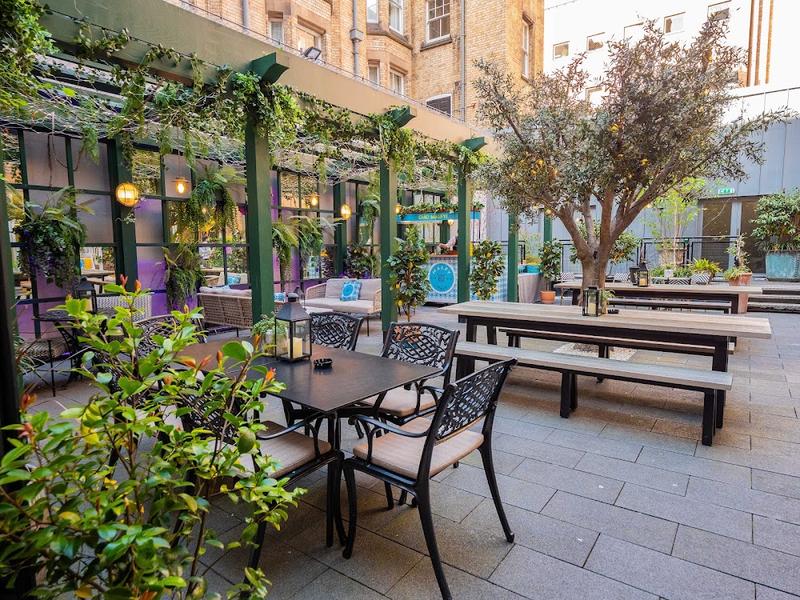 The Grand Hotel Birmingham — a restored Victorian landmark on Colmore Row, in the business district.
 -
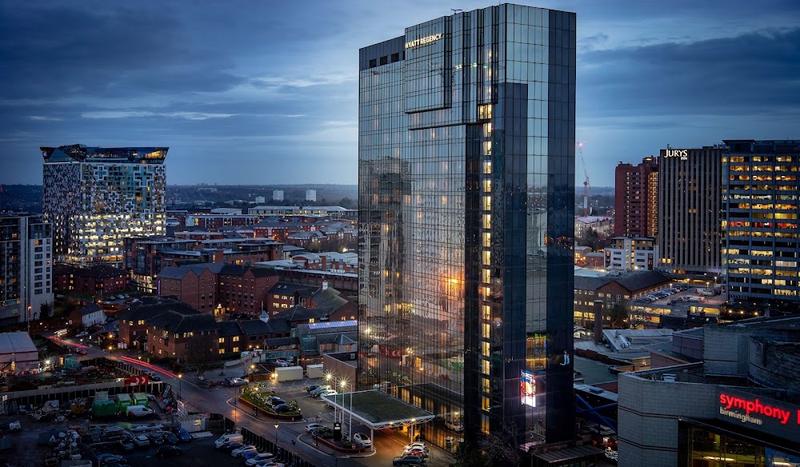 Hyatt Regency Birmingham — next to the ICC and Symphony Hall, near Brindleyplace.
 -
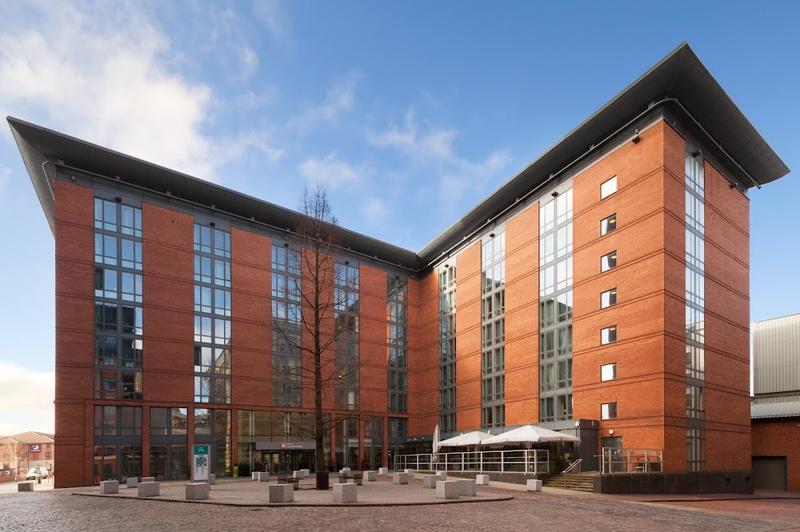 Hilton Garden Inn Birmingham Brindleyplace — on the canalside, a short walk from Broad Street and the Bullring.
 -
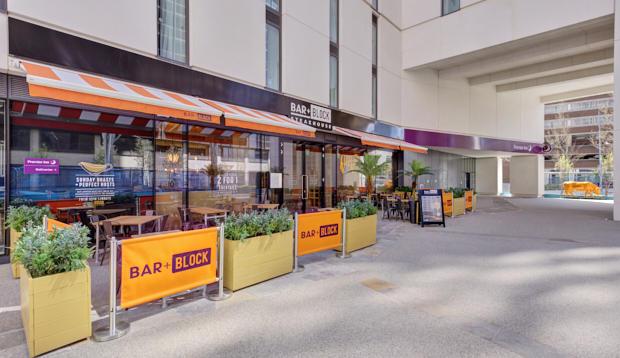 Premier Inn Birmingham City Centre (Exchange Square) — close to New Street station and the Bullring.
 -
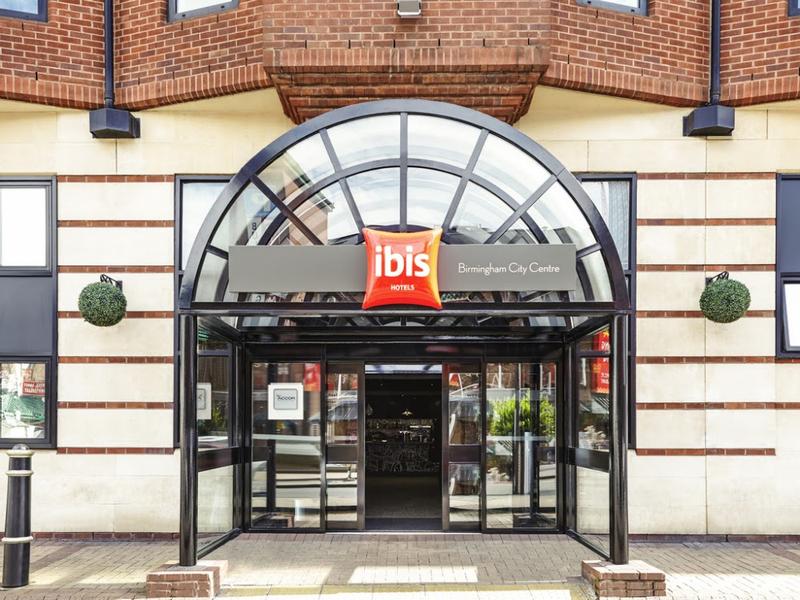 ibis Birmingham Centre (New Street Station) — a budget option near the Arcadian Centre and Chinatown.
 -
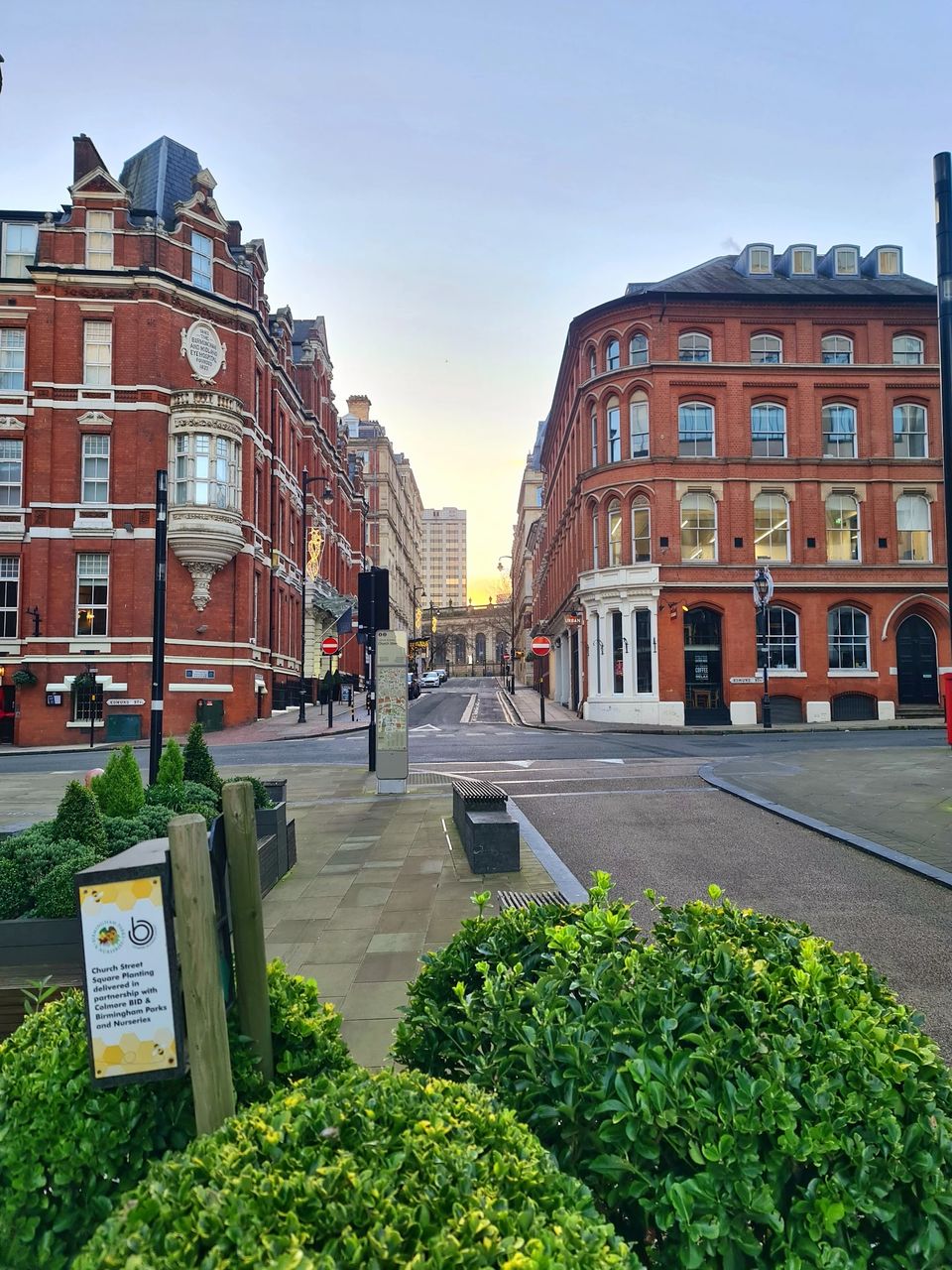 Hotel du Vin & Bistro Birmingham — a boutique conversion on Church Street in the Colmore Business District.
 -
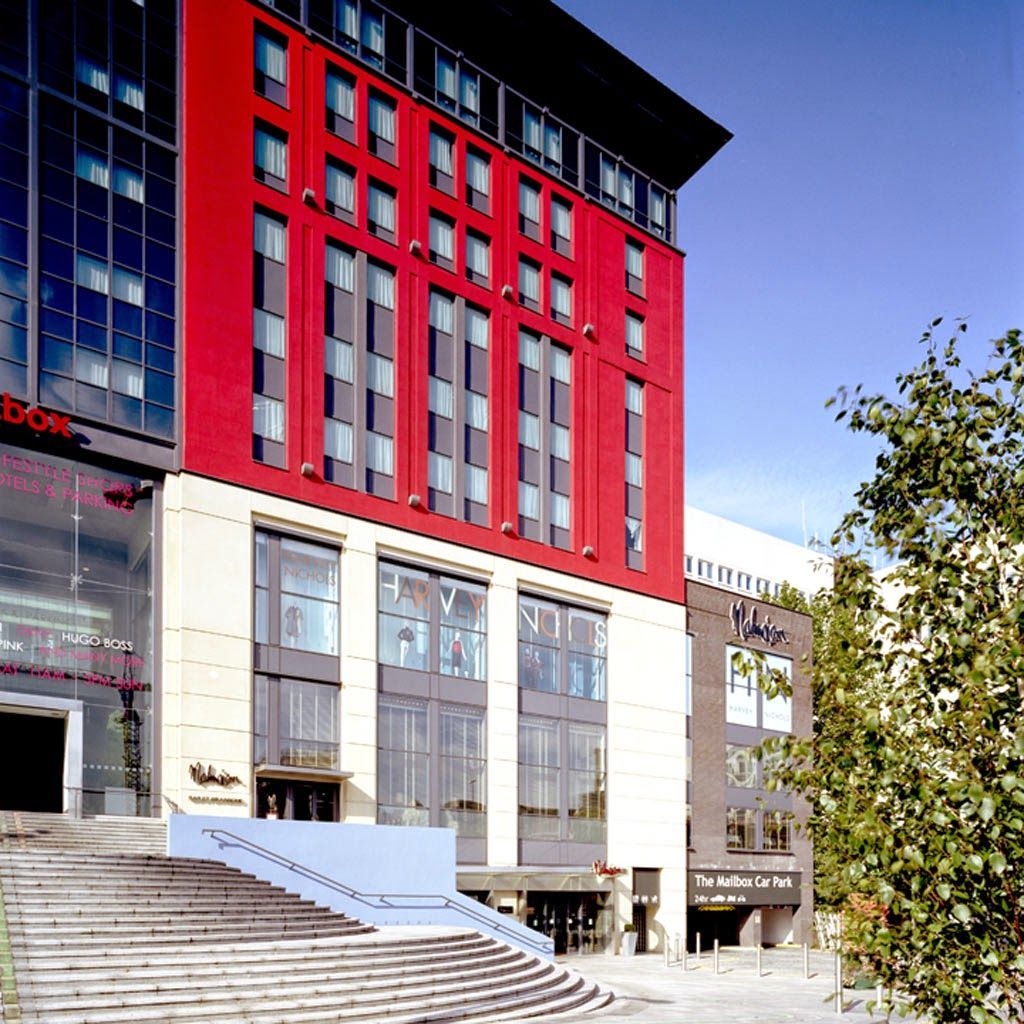 Malmaison Birmingham — a canalside boutique hotel inside The Mailbox.
 -
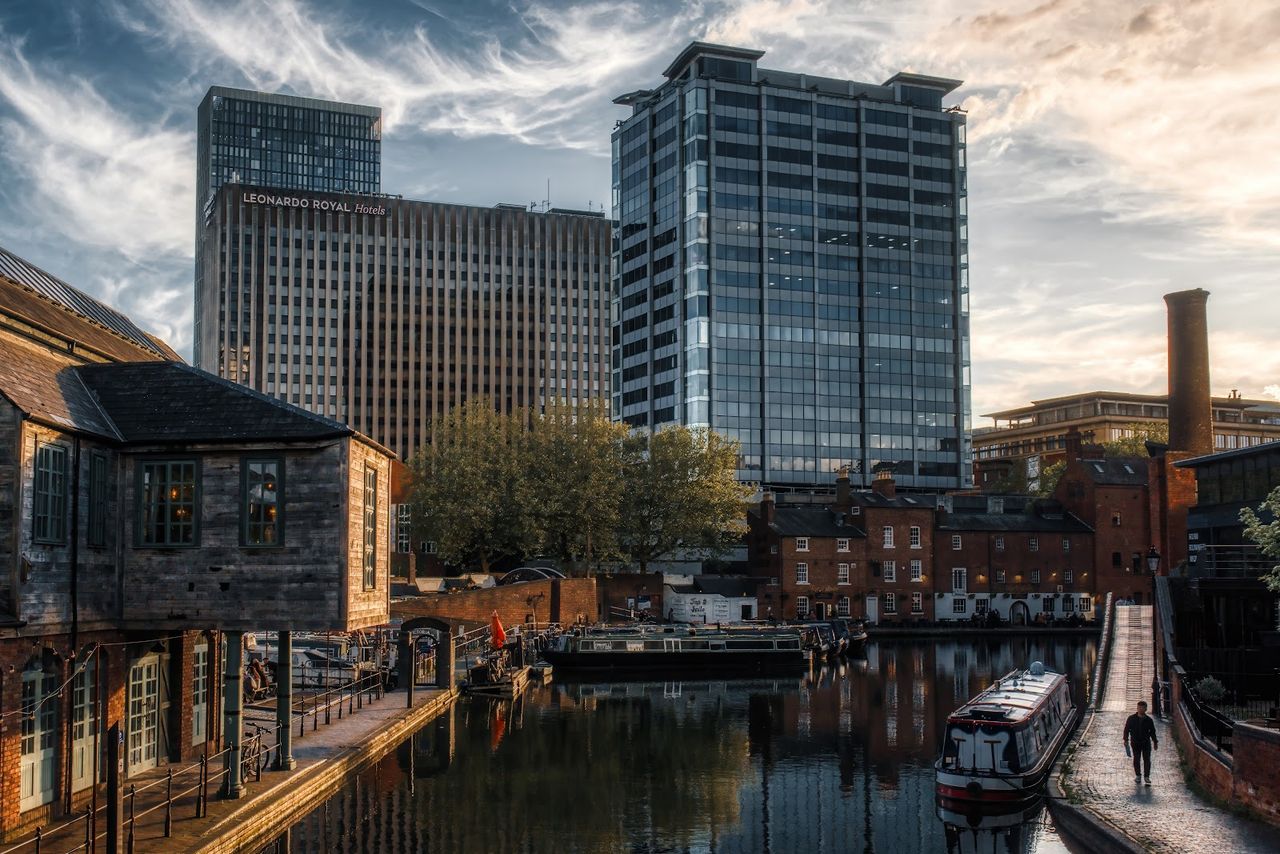 Leonardo Royal Hotel Birmingham — on Broad Street, close to Brindleyplace and the ICC.
 -
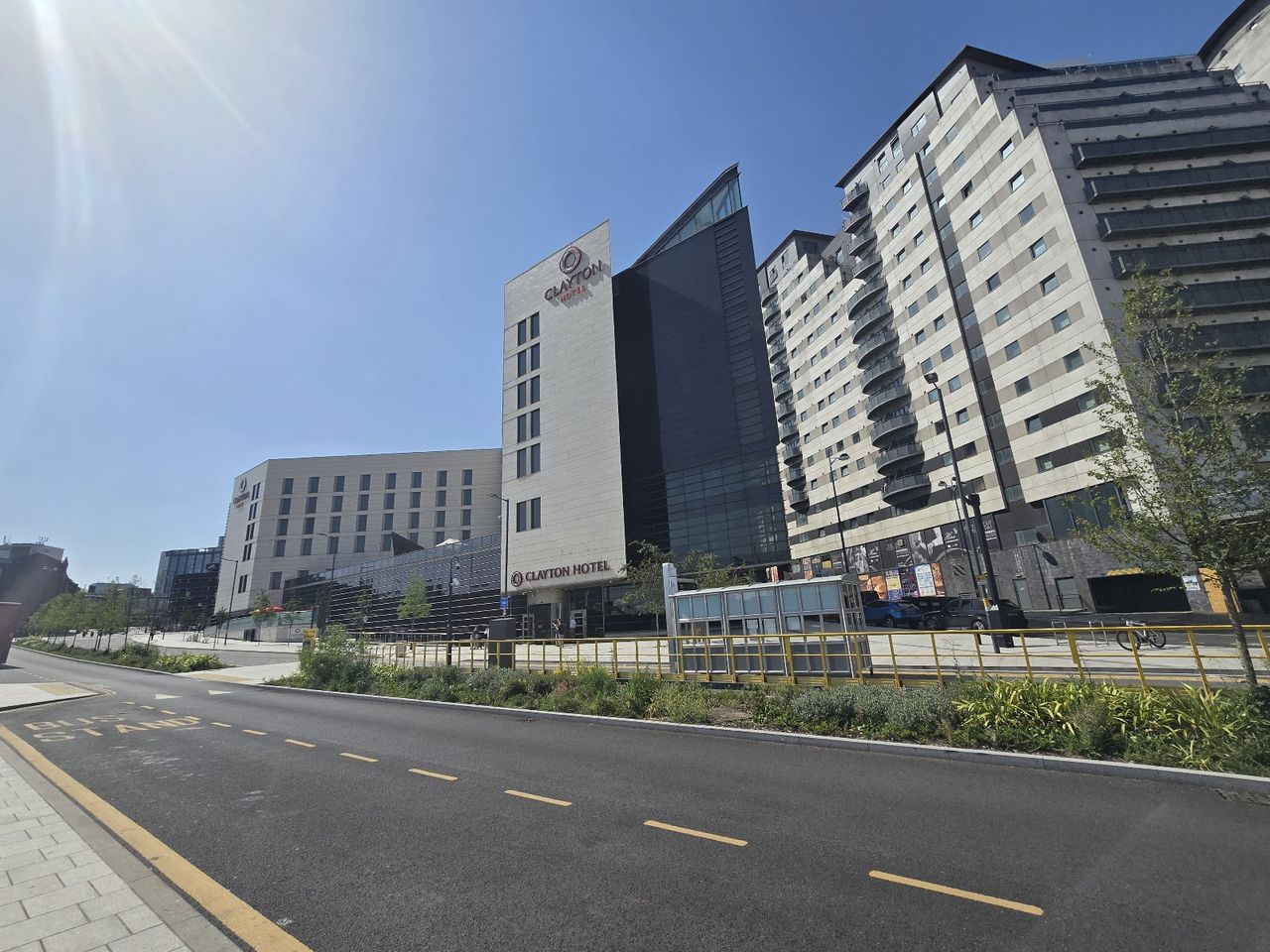 Clayton Hotel Birmingham — on Albert Street, between the Bullring and Digbeth.
 -
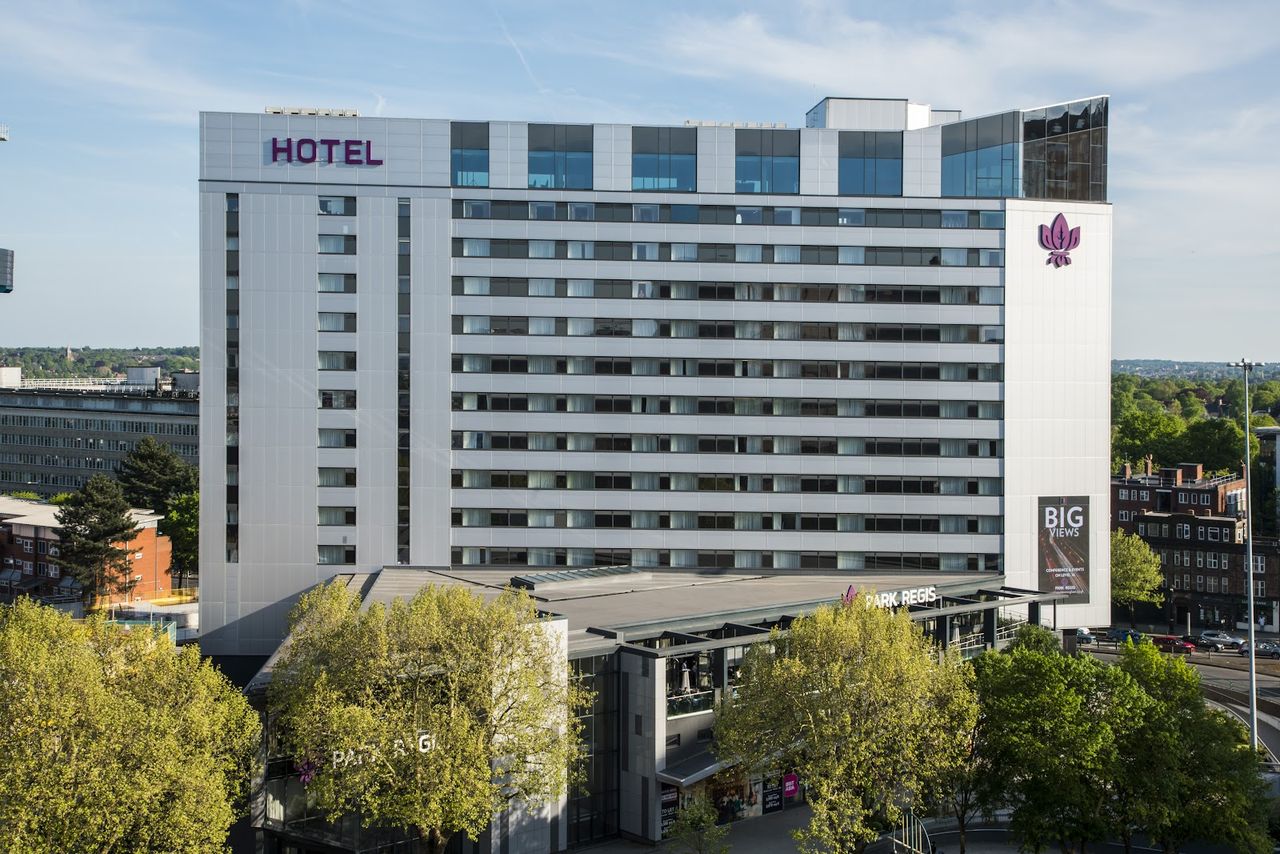 Park Regis Birmingham — a modern hotel on Broad Street, near Brindleyplace.
Getting around
Birmingham New Street is the city's main railway station and one of the busiest interchanges outside London, with direct trains across the country. The West Midlands Metro tram line connects the centre with the Jewellery Quarter and out towards Wolverhampton, and the city centre itself is compact enough to walk between most of the main sights.